
The challenge with zoning ordinances, is they don't always age gracefully. New types of businesses, changes in technology, and court decisions can affect local zoning rules. Keeping the ordinance current is time consuming – but really is necessary.
Below are five common challenges we see in keeping local zoning ordinances and suggestions to rejuvenate them. Special thanks to Montgomery County Planning Department for the comical video.
The challenge with zoning ordinances is that they don’t always age gracefully.
Variations
We all know this one…. If the town keeps approving the same variation over and over again, this is effectively a change in local policy and might be best as a permitted condition. Public discussion and workshopping with public officials is needed, don’t just whip up the revised text and put it on the agenda. How much discussion depends on your community and local practice.
What if my town keeps approving the same variation over and over again?
Source: @UrbanPlanningLife
SIGNS
You’ve likely heard this too…. Sign codes must be content neutral. The best rule of thumb for this is…. “If you need to read the sign to know if it meets your code, the code is unconstitutional”. Regulate all signs by their type, not content. Some of these are tricky or will feel odd. We are used to handling political signs, real estate signs, garage sale signs, contractors’ signs, etc. as specific sign types. But those are all content based rules, now they’re “temporary signs”. Remember, regulate signs only by their “time, place, and manner”.
Sign codes must be content neutral.

Source: Pexels.com
USES LISTS
If the list includes a Drive-In (but doesn’t mention a Drive-Through), haberdashers, abattoirs, and air raid shelters, it needs to be revised. Also, if it has a really long list of retail businesses (and some don’t exist anymore), it’s hard for users to know if their new business is allowed, and likely hard for you to tell them. The fix is moving to “use categories”. Rather than a long list of retailers, have “retail sales” in the use table and a clear definition in the code; same with “personal services” and others. Some towns tie use lists to a third party standard, like the NAICS.
You can tell how old a zoning code is by looking at the use list (like counting the rings on a tree stump).
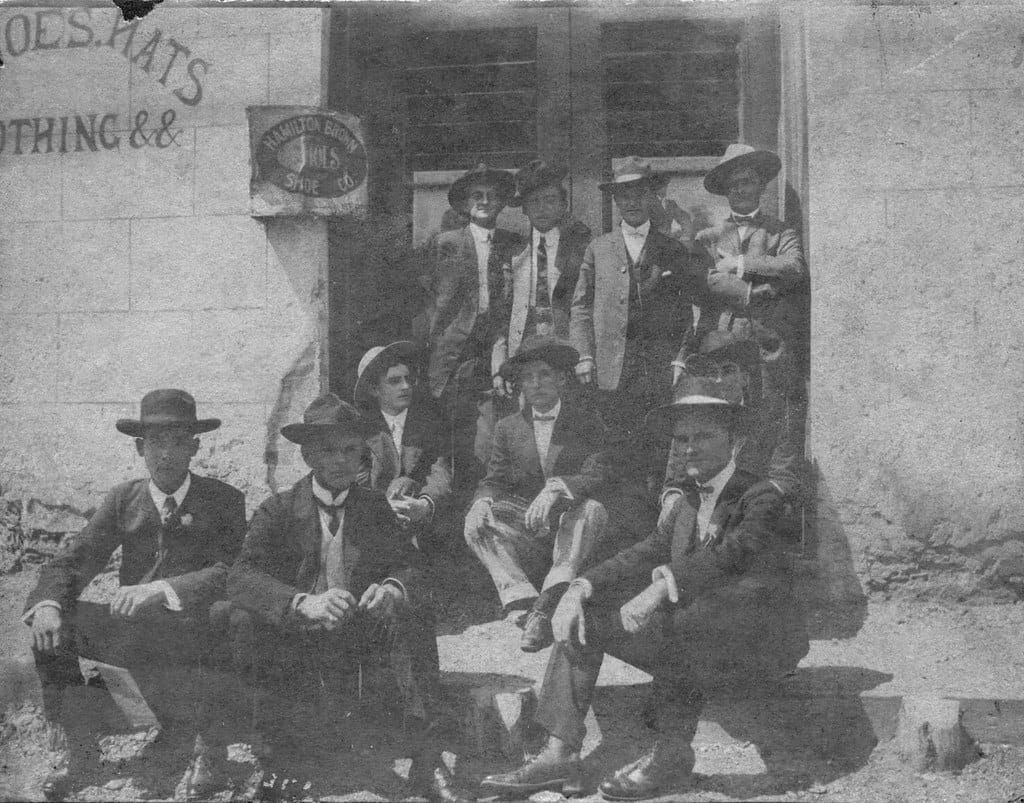
Source(s): Photo: Haberdashery, Laredo, Texas circa 1910 | Source: Irene Vidaurri Zubeck | Flickr: No modifications
code enforcement
Zoning Administrators spend a lot of time with the definition section looking to answer questions like: Is it a fence or wall? What makes that business an accessory use? What are the grade and height for the pitched roof house on the hilly site? Definitions are essential to enforcing a zoning code but are too rarely updated. To streamline your code enforcement efforts, update the definitions so they are in line with local code enforcement practices.
"Is it a fence or is it a wall?" - Daily ponderings of a Zoning Administrator

Source(s): Callout section of zoning graphic
approval processes
Zoning entitlements often have steps that don’t seem necessary but are around because it’s always been done that way – bad answer. Zoning applicants deserve an efficient and effective process they can understand: and so do residents, commissioners, and elected officials. Review current processes – every meeting, submittal, and review step. Ask “do we need this, does it add value to the project and the community?” If is does, don’t change a thing. But if you eliminate unneeded tasks or meetings, you make the process easier for all and no less effective. Just because you’ve been doing something a long time, doesn’t mean it’s the best approach.
Zoning entitlements often have steps that don’t seem necessary but are around because it’s always been done that way – bad answer.
Source: Pun created by Teska Associates, Inc.